What are some hidden ways to reduce illiteracy rates that get overlooked?

Though a cause that now is seen as outdated, the inability to read remains widespread across the world. Despite access to mobile devices, digital courses, and international outreach programs, countless individuals lack fundamental literacy skills.
Data from World Metrics shows economic losses tied to low reading abilities exceed 1.2 trillion dollars annually; meanwhile, those without such skills face joblessness at triple the rate. This figure reflects deeper patterns stretching through households and shaping neighborhoods over time.
Most discussions around reading skills center on familiar fixes:
- Constructing additional classrooms
- Employing extra instructors
- Supplying more textbooks.
Important as these steps may be, they miss broader realities. Uncommon approaches exist- ones that are rarely mentioned and yet are capable of strong impact, and it is our job to raise awareness.
Here are five solutions to illiteracy that rarely get the attention they deserve.
1. Teaching Children in Their Native Language First

Picture a small child struggling to decode words in a tongue they hardly know. This situation hits countless youngsters across continents. Across numerous nations, classroom instruction happens in an official or imported language rather than the one heard within family walls.
Starting school by using a child’s first language helps them pick up reading skills quicker. Because familiar words are already part of daily life, matching sounds to letters becomes natural. Instead of struggling through symbols, children begin seeing print as something close to home. Learning flows better when it grows from what they already recognize.
Why this matters:
Early experiences help children grow more sure of themselves, rather than doubting their progress. Parents will also find it easier to assist with homework if they know the language being taught. The ability to read in one language often opens doors to picking up others. Skills flow across languages more smoothly after the first is mastered. One step in fluency leads to others, quietly building wider understanding.
Why it’s overlooked:
Starting with books and lessons in familiar languages is costly. Schools don’t want to have to buy multiple curriculums, and some libraires have limited resources.
But skipping out on this crucial step leaves countless kids behind from day one. So regardless of the tangled policy hurdles, rolling out materials across native dialects remains key for fair learning opportunities.
2. Mobile Learning Reaches Students Everywhere

Not only do mobile devices appear outside advanced educational settings, but they also often outnumber printed materials in underfunded regions. Where books are scarce, handheld technology steps in quietly- shaping literacy development. A simple phone can carry lessons once limited to classrooms. Its reach grows where resources shrink.
When schools shut down in the pandemic, education stopped for most children worldwide. Without classrooms, many missed lessons, no instructors nearby, no printed materials at hand. Yet certain learners could still reach simple phones or tune into radio broadcasts. From such limited tools, distance education grew to be vital.
What began as a short-term response can now be turned into a long-term tool.
Why this matters:
Reading lessons reach people through phones, while stories come along with them. Practice tasks follow closely behind these tools. Each feature works separately yet fits into daily life. Messages arrive without delay, showing how learning shifts over time.
Frequently, material takes shape in regional tongues while fitting varied understanding tiers. Sometimes local speech forms guide how ideas spread across learning stages.
Even when emergencies strike, education does not have to stop. Through disruptions like war or storms, students might still engage with lessons. Where violence spreads or floods rise, teaching adapts. When schools close, alternatives appear. Despite chaos, knowledge moves forward.
Why it is overlooked:
Despite official hesitation, mobile learning often serves as the main path forward for countless learners. Where schools lack reach, phones stay connected, offering steady access when little else does.
3. Community Help Tackles Worldwide Education Problems

Children sit in classrooms worldwide, yet many reach age 10 unable to decode simple words. UNESCO’s findings reveal this gap under the term “learning poverty.” Far from rare, it fuels largescale struggles with reading across nations. Not attendance, but actual understanding lags.
Progress stalls when schools exist without meaningful learning. In situations like this, support beyond school walls becomes essential:
- Libraries within walking distance
- Neighborhoods that value reading
- Guidance from local adults.
The ability to read increases when daily life includes books.
Why this matters:
A child might sit in a classroom every day yet still fall behind in reading. Despite attendance, understanding often slips through the cracks early on. Schooling does not always bring basic literacy skills within reach. Some students struggle silently, missing key foundations year after year. Without support, gaps grow wider- unnoticed.
Community involvement helps reinforce reading skills outside the classroom.
A child who finds books nearby tends to read more often. Where shelves sit within reach, skills grow without notice. Homes with pages stacked in corners help minds stretch early. Neighborhood spots filled with stories offer quiet chances to learn. When words live close by, practice happens naturally.
Why it’s overlooked:
Not every child who attends school leaves being able to read. Attention usually lands on how many are enrolled, yet real progress hides elsewhere. Learning does not follow automatically when students sit in classrooms. Support outside school walls becomes crucial for true understanding.
4. Community Literacy Programs That Support Learning

With Save the Children’s Literacy Boost Initiative, results reveal what community-driven efforts may achieve. Instead of waiting for systems to change, local volunteers step up, guided by training to run reading circles.
Books reach homes once cut off from such resources, thanks to organized distribution. Progress grows quietly, one child at a time.
Where classrooms struggle, local efforts step in offering support when educators face heavy loads or supplies run short.
Why this matters:
Kids get extra reading practice outside of school.
Families learning together often find progress more easily when grownups join in. A parent’s effort shapes what a child believes is possible.
A shared habit of reading grows naturally when people around you treat it as meaningful. Quiet moments with books become part of daily life, shaped by example rather than rules. Over time, turning pages feels less like effort, more like routine. What others do quietly teach what matters.
Why it is overlooked:
Dependent on donations and volunteers, such efforts rarely enjoy steady support. Yet without them, the gap from classroom learning to everyday reading might never close.
5. Lowering Poverty by Encouraging Reading Skills
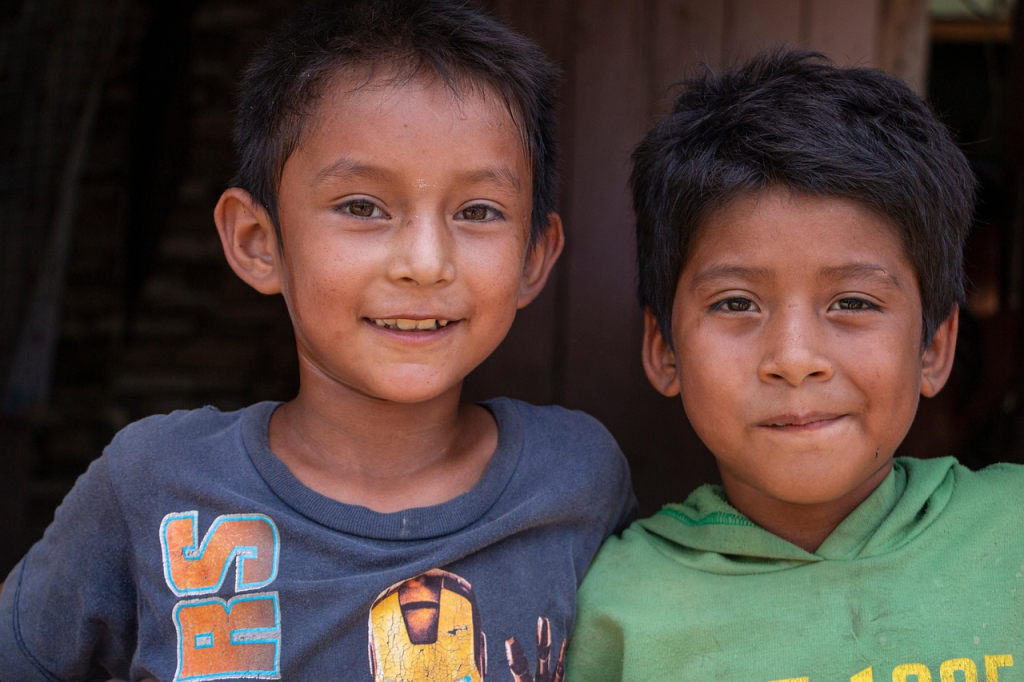
When money is tight, schooling often takes a back seat. Children might stay home to watch younger brothers or sisters, leaving little room for lessons. Missing classes becomes common when survival demands effort elsewhere. Reading skills grow slowly, if at all, under such pressure.
Starting strong, incentive-based initiatives often fly under the radar to take cash payments, meals, or learning materials offered when kids show up to class regularly. Not only does this help households make ends meet, but they also boost reading skills through steady attendance. Sometimes overlooked, such efforts link daily needs with long-term learning gains.
Why this matters:
When families face less money stress, children stay enrolled more often. Rewards shift how households value education during tough times. Pressure eases when support covers basic costs. Staying in class becomes possible under strain if help arrives early. Learning continues when aid removes immediate burdens.
- Regular attendance is essential for building reading skills.
- Focused efforts often reach those least protected.
- Communities facing greatest risks benefit when support follows clear needs.
Why it is overlooked:
Often called “social welfare,” these efforts rarely get seen for what they really support literacy growth. When basic needs are met, learning becomes possible; survival pressures fade, reading rises.
Why These Solutions Matter:
Reading poorly does not only mean missing stories on pages. Health outcomes shift when people struggle with words; jobs become harder to secure, voting less accessible, daily living more strained.
10% of the world population cannot read well, a figure that comes from Our World in Data. That statistic is depressingly low, despite the fact that numbers have risen slowly across the last few decades. Progress exists. Still, millions remain outside.
Real change might start by stepping outside familiar fixes. Local language instruction connects better when paired with tools like mobile devices. Learning gaps often persist because basic access stays ignored. Community efforts grow stronger once families find support. Financial help for households shifts outcomes more than expected.
Change often hides outside the spotlight, yet these ideas hold quiet power, capable of reshaping daily existence for countless people when expanded. Their impact grows not through noise, but through reach.
Works Cited
Worldmetrics. (2026). Illiteracy statistics: Market data report 2026. Worldmetrics. https://worldmetrics.org/illiteracystatistics/
Our World in Data. (n.d.). Literacy. https://ourworldindata.org/literacy
UNESCO. (2020). Addressing the global learning crisis. UNESCO. https://unesdoc.unesco.org/ark:/48223/pf0000374075_eng
Save the Children. (n.d.). Literacy Boost. Save the Children. https://www.savethechildren.org/us/whatwedo/education/literacyboost
World Bank. (n.d.). Foundational learning: Improving reading and math skills. World Bank. https://www.worldbank.org/en/topic/education/brief/foundationallearning